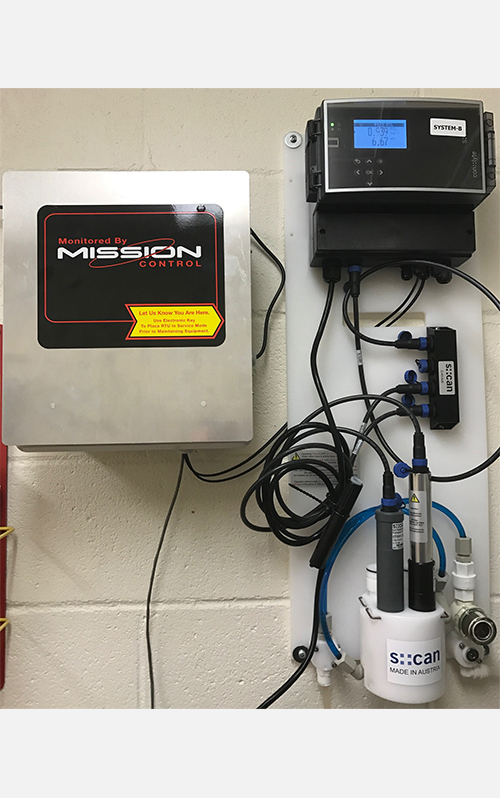
Real-Time Alarm Systems
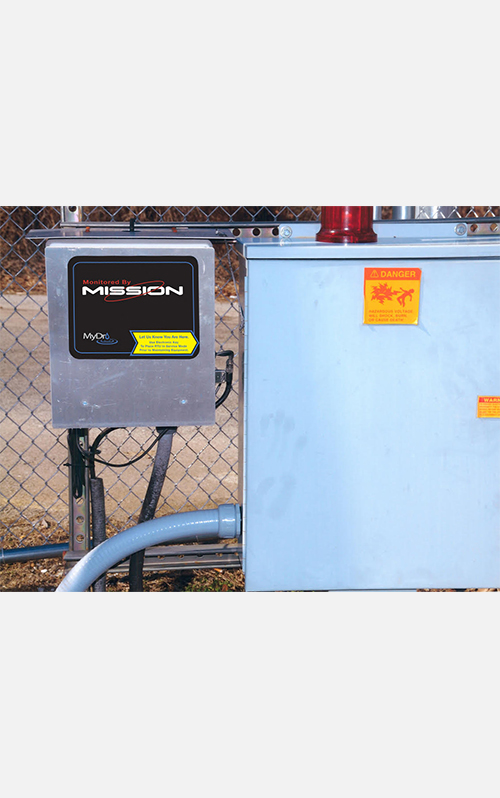
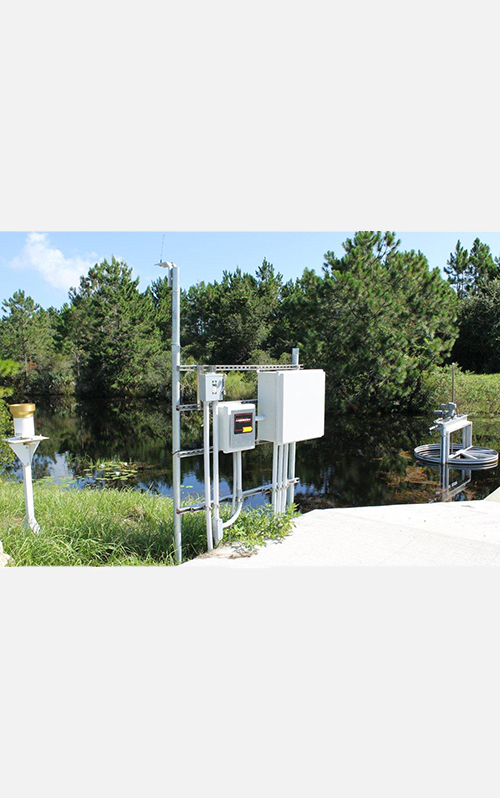
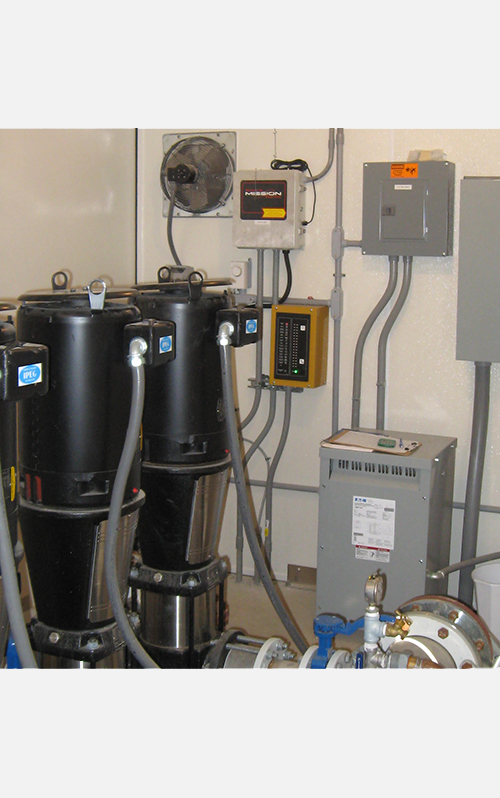
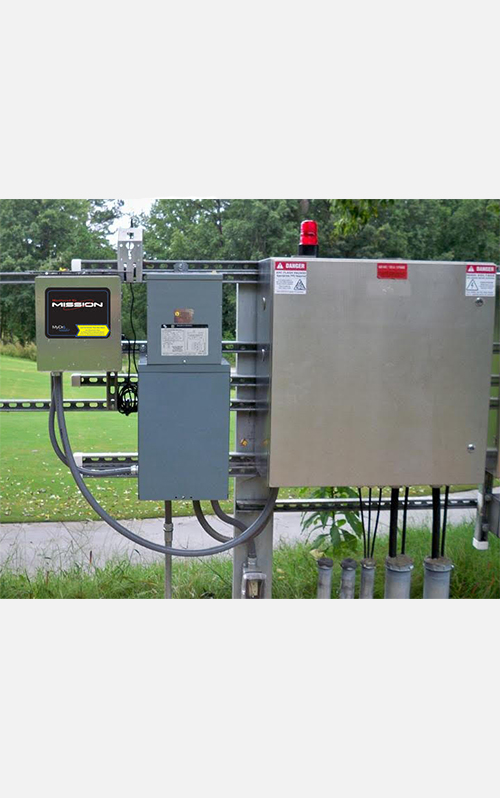
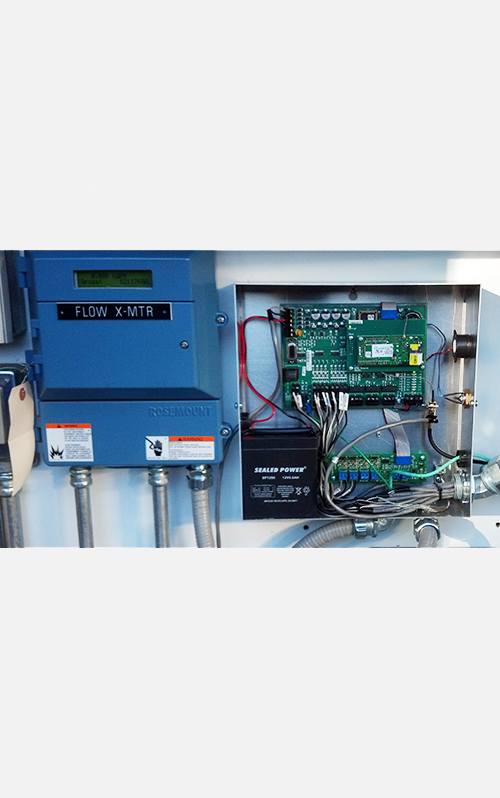
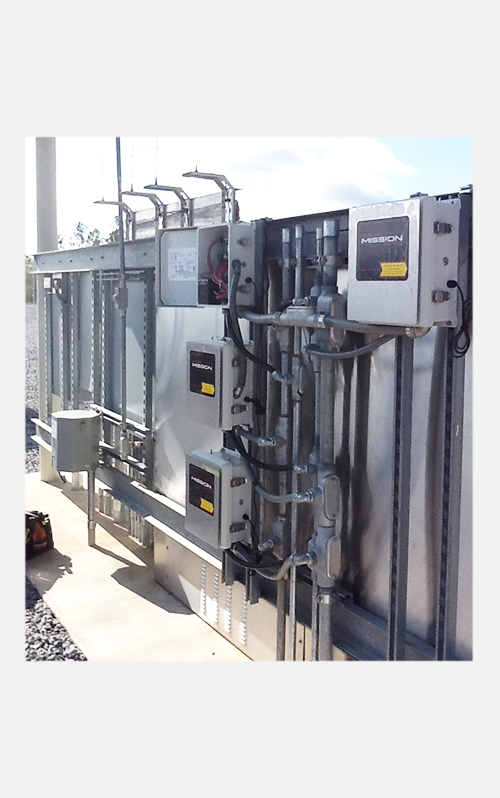
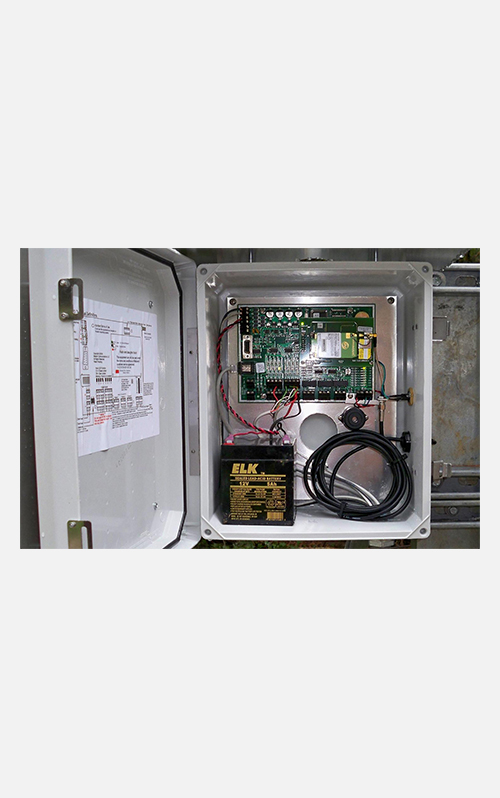
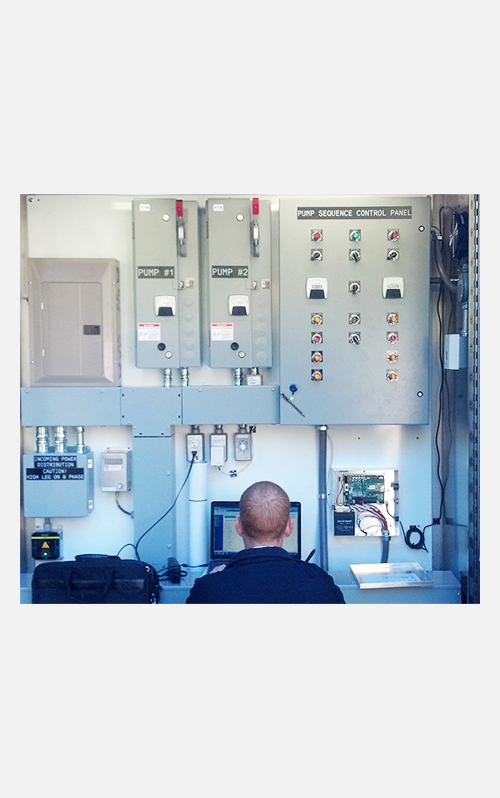
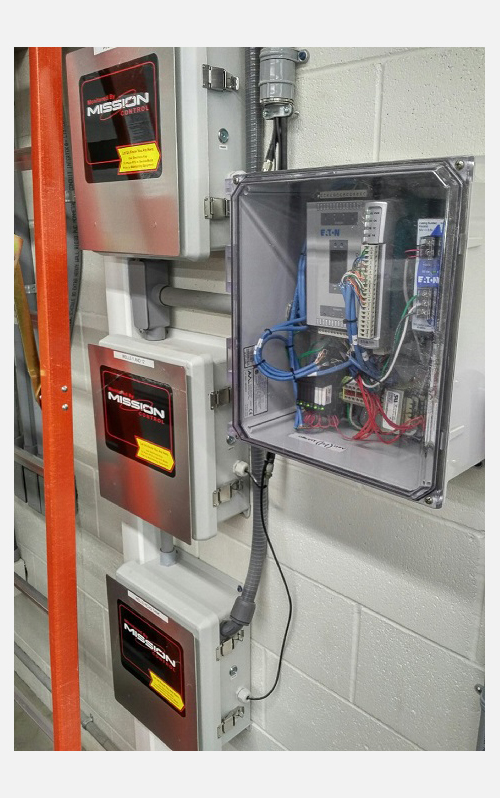
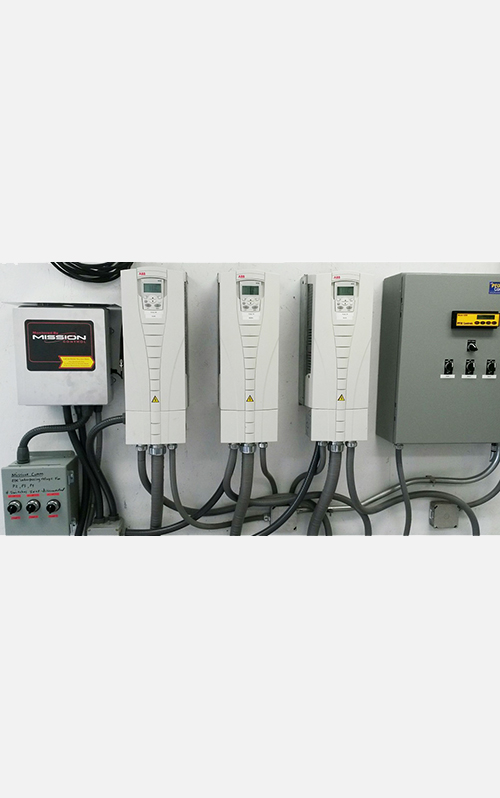
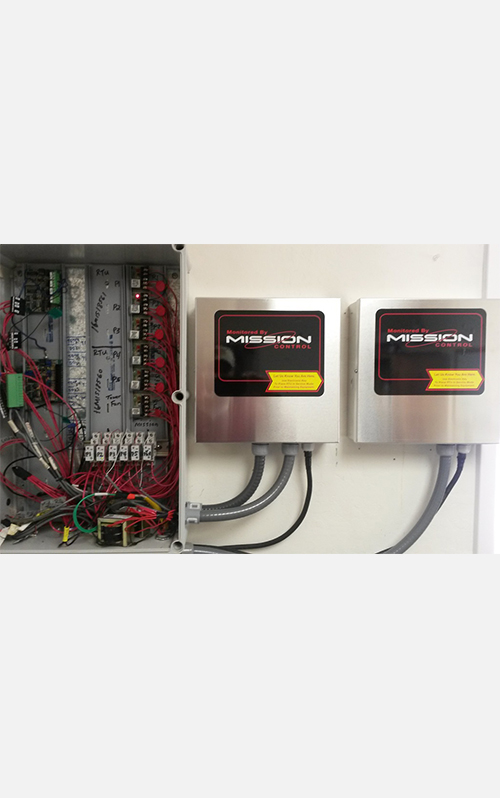
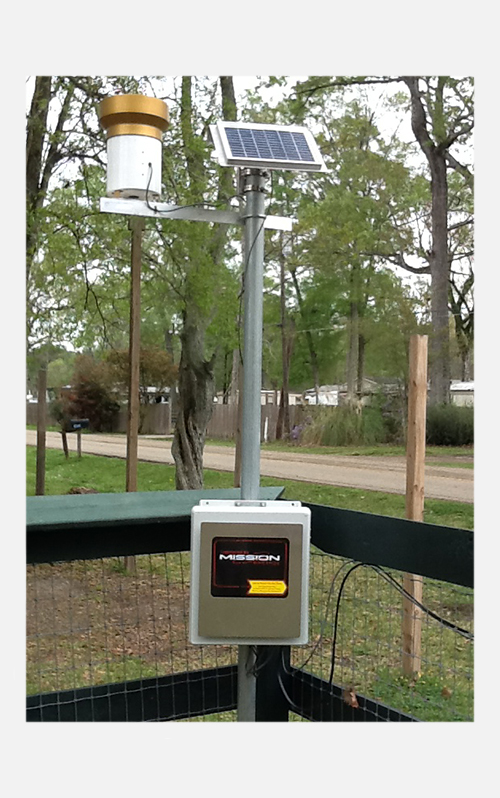
More than 3,500 utilities rely on Mission remote terminal units (RTUs). Most deploy an RTU at each sewer lift station, relying solely on the Mission system for monitoring. Others link the Mission data with their plant SCADA using an OPC link.
Use the chart below for a direct comparison of the applications where each type of system is most appropriate. Also compare features and functionality to get the monitoring that is right for any unique needs.
The most basic model is the MyDro 150, which can be upgraded at any time. More advanced systems have the features of basic systems, plus the additional functionality listed in the chart. Every system has the following features:
- Alarms: real-time notifications by phone, email, pager, fax, and web portal—highly configurable with compound conditions and optional delays
- Alerts: emailed notifications to review anomalies from previous day such as excessive pump starts, runtimes, or additional information available with each specific device (listed in chart)
- Reports: downloadable or scheduled email reports for prior periods covering detailed information gathered by the RTU and information related to alerts
- System Alerts: notifications related to the system as a whole or a group of RTUs