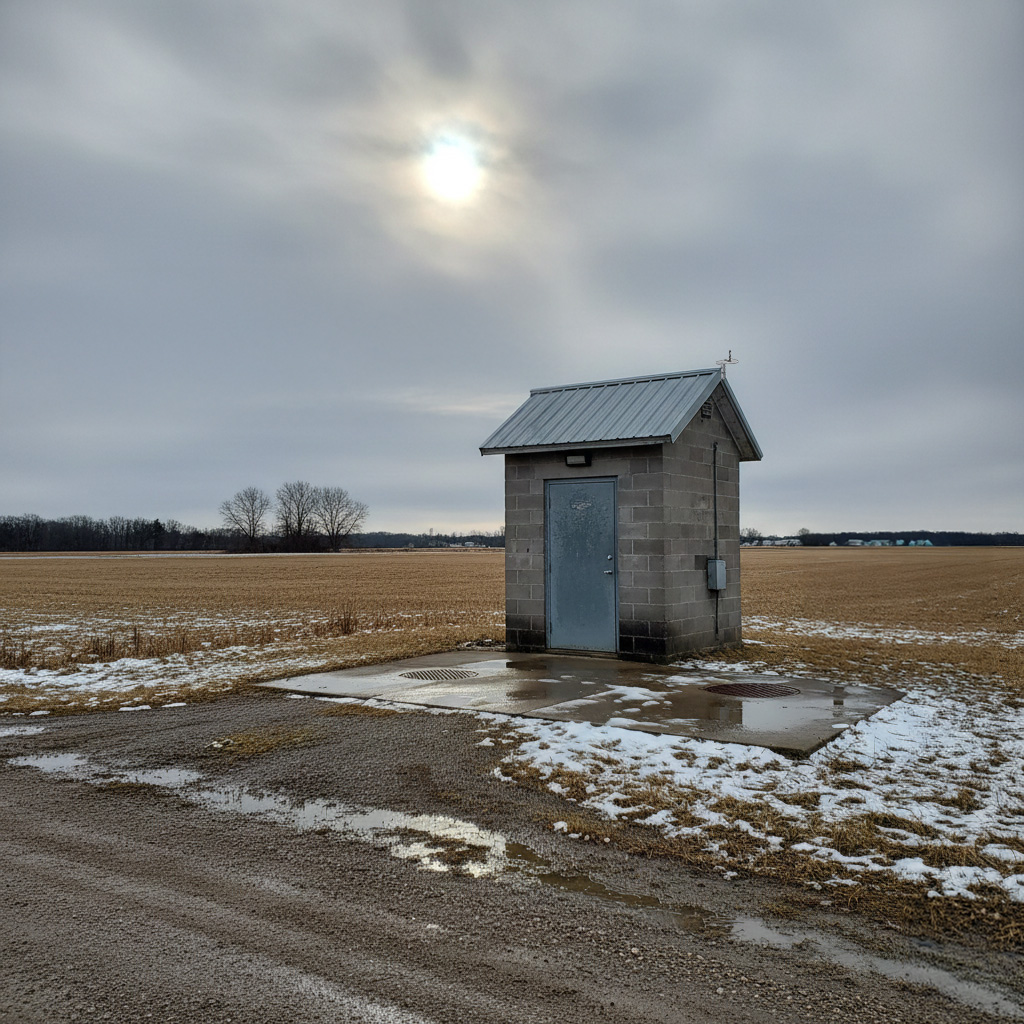
Winter storms hit both field hardware and SCADA systems hard. As soon as it’s safe, operators should check comms strength, scan performance data, and verify that every critical site is operating inside normal thresholds.
1. Verify Communications Health at Critical Sites
One of the earliest signs of post storm stability is whether your sites are communicating normally. Snow accumulation, antenna icing, temporary outages, and marginal battery levels can all disrupt telemetry.
Checklist:
- Confirm that RTUs are checking in on schedule.
- Identify sites with intermittent communication or delayed reporting.
- Review any communication gaps during the storm period.
Using Mission Communications RTUs and 123SCADA’s system health indicators, operators can quickly pinpoint where issues originated and whether they require field intervention.
2. Inspect Alarm Routing and After Hours Contacts
Storm conditions often trigger unusual alarm activity, and it’s important to confirm that notifications reached the right people at the right time.
What to verify:
- Alarm callouts and escalation paths functioned correctly.
- Afterhours contacts were up to date and reachable.
- No alarms were missed due to network or phone disruptions.
With 123SCADA’s flexible alarm routing and unlimited callouts, utilities can analyze exactly how alarms flowed during the event and adjust for future storms if needed.
3. Evaluate Equipment Exposed to Freezing Conditions
Sudden temperature drops and lengthy freezes can impact equipment in predictable ways.
Common storm related issues:
- Frozen transducers, causing inaccurate readings
- Solar powered sites running low on charge after several low sunlight days
- Iced or wind damaged antennas, reducing signal strength
Mission Communications RTUs provide remote diagnostics that often help operators identify these conditions without dispatching crews unnecessarily. Within 123SCADA, any flatlined or abnormal readings are easy to identify.
4. Confirm System Integrity Using Remote Monitoring Tools
Post storm trends provide valuable insight before anyone steps foot on a site.
Data to review:
- Pump run durations and cycle frequency
- Sudden level changes or inflow spikes
- Sites that deviated significantly from historical seasonal patterns
123SCADA’s trending tools and historical graphs make it easy to compare stormday behavior to normal operation, helping operators identify early signs of hidden mechanical stress.
5. Assess Power Resilience and Backup Systems
Power fluctuations or extended outages are common during winter weather, so confirm that backup systems performed properly.
After storm checks:
- Which sites switched to generator or battery backup
- Whether sites automatically returned to commercial power
- Any RTU reboots, telemetry gaps, or brownouts in the activity logs
Mission’s managed SCADA ecosystem centralizes all this information so utilities can review it quickly and accurately.
6. Prioritize Field Visits Based on Measured Risk
Once roads are safe and crews can move, prioritize visits using data—not assumptions.
Highest priority scenarios include:
- Sites fully offline
- Critical alarms (high high levels, pump failures, or overflow indications)
- Backup systems still active or nearly depleted
- Sites showing abnormal level or flow behavior
Mission RTUs and 123SCADA provide clear site status indicators to help utilities dispatch teams strategically and minimize travel during lingering hazardous conditions.
7. Review Community and Customer Impacts
After internal systems are stable, assess whether customers or neighboring utilities experienced related issues such as pressure irregularities, sewer backups, or boil advisories.
Post storm communication steps:
- Share any relevant updates or system notes with affected users.
- Document system behavior to support internal improvement efforts.
- Capture any operational lessons for the next severe weather event.
Conclusion
Winter storms create challenges that ripple through every layer of a water or wastewater system. But with a structured checklist—and strong remote visibility through tools like Mission Communications RTUs and the 123SCADA platform—utilities can respond quickly, reduce unnecessary field exposure, and maintain operational resilience.
Ready to learn more about 123SCADA? Find your local Mission distributor or contact Sales@123mc.com.